Pollution Liability for Waste Haulers: The Coverage Most Truckers Skip
Why standard general liability won't cover a leaking load — and why pollution legal liability is the one policy waste haulers regret not buying.
If there's one coverage that ends waste-hauling businesses, it's pollution. And it's the one coverage most haulers never buy — because they assume their general liability policy has them covered. It doesn't. Here's why, and what to do about it.
The pollution exclusion is absolute
Every modern general liability policy contains a pollution exclusion, and it is close to absolute. The moment a load releases a contaminant — a fluid leak on the highway, contaminated runoff at a job site, discharge at a landfill — the GL carrier invokes the exclusion and walks away. You fund the cleanup, the third-party claims, and the defense yourself.
A single highway spill that closes a lane and triggers a Department of Environmental Quality response can cost six figures in cleanup alone. For most haulers, that's a business-ending loss.
"But I only haul clean debris"
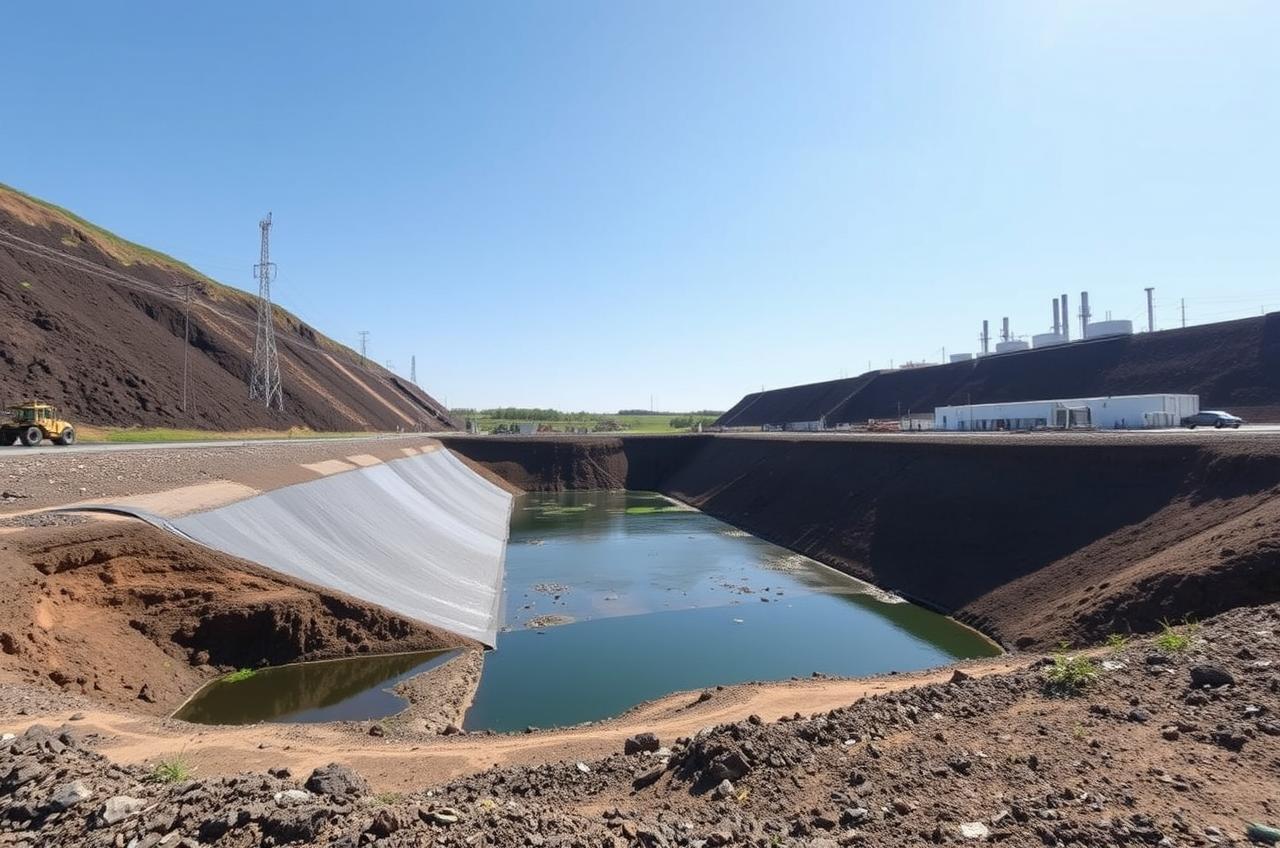
This is the most common objection, and it doesn't hold up. Even construction-and-demolition (C&D) debris can contain contaminants — treated wood, old roofing tar, spilled solvents, mystery containers mixed into a demo pile. And the standard for a pollution claim isn't that you intended to haul contaminants; it's that a contaminant was released. C&D discharge and leachate exposure are real, and many C&D facilities require proof of pollution coverage before they'll accept your loads.
What pollution legal liability covers
A standalone pollution policy is built to fill the gap the GL exclusion creates. It typically covers:
- Cleanup costs — the largest part of most pollution claims
- Third-party bodily injury from a contaminant release
- Third-party property damage from a release
- Defense and investigation costs — legal and remediation expenses
It can be endorsed to cover transported cargo (pollution while in transit), non-owned disposal sites (third-party facilities where you tip loads), and first-party cleanup on property you occupy.
What it costs
Pollution is priced on the materials you haul, your tonnage or receipts, your storage and handling practices, and your limits. The good news: it's relatively inexpensive against the exposure. Many small-to-mid haulers add a $1M pollution policy for roughly $1,500–$4,000 per year. Hauling contaminated soil or liquids costs more; household junk costs less.
That's a modest premium for the one coverage that prevents a single spill from closing the business.
How to buy it right
- Match the coverage to your operation. Tell your agent exactly what you haul and where you dump. Transported-cargo coverage matters if the exposure is on the road; non-owned-disposal-site coverage matters if it's at the facility.
- Confirm facility requirements. If your landfills or transfer stations require a pollution certificate, make sure the limit and form satisfy them.
- Carry adequate limits. A $1M limit is a common floor; larger haulers and contaminated-material operators often carry $2M–$5M.
- Buy from someone who knows waste. Pollution for haulers is a specialty — most agents have never placed it.
Bottom line
The pollution exclusion in your GL policy is not a technicality — it's the line between a covered incident and a business-ending one. If you haul anything that could leak, spill, or discharge, pollution legal liability is not optional. It's the coverage most haulers skip, and the one they wish they'd bought the moment something goes wrong.
Talk to us about pollution coverage or call 844-967-5247.