Inland Marine & Containers
Schedule the gear. Protect the revenue.
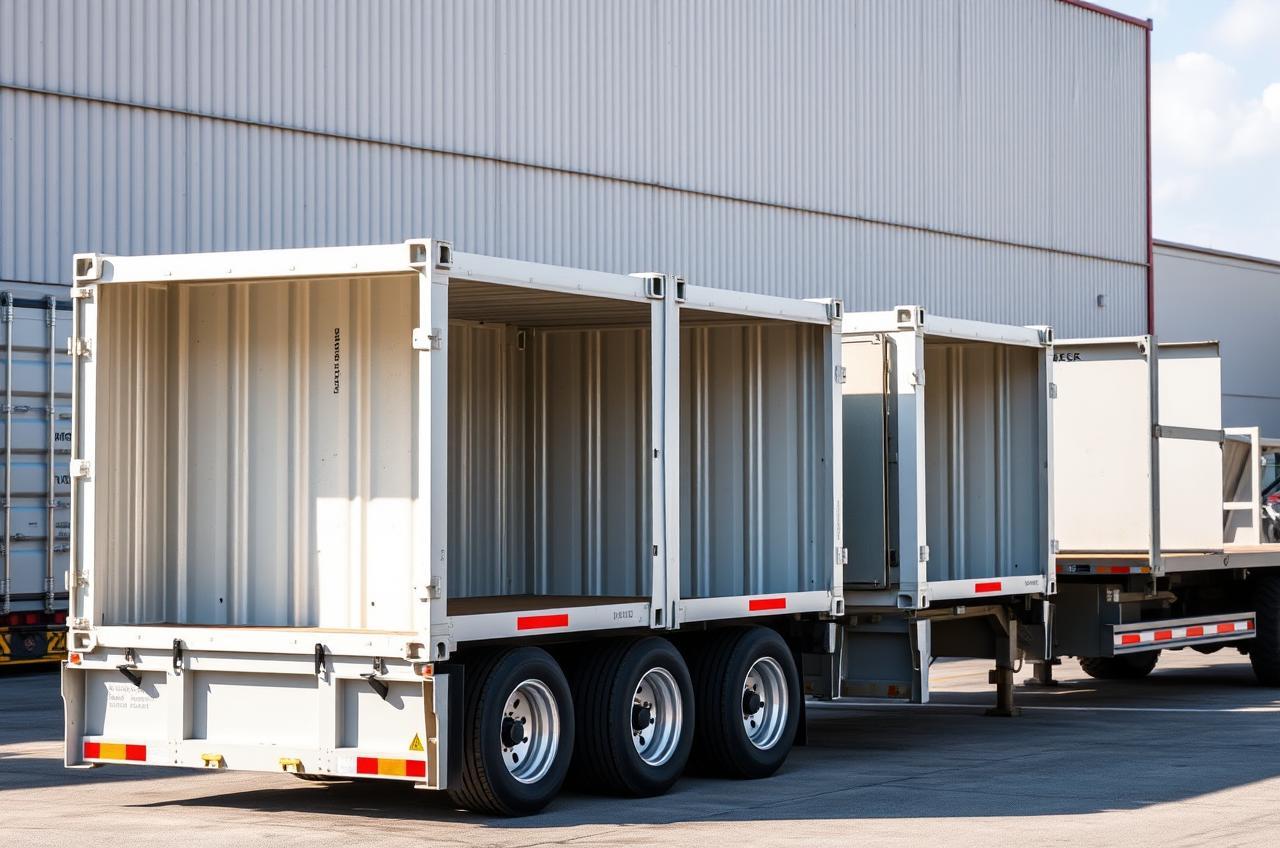
Inland marine insurance covers the mobile equipment and containers that don't sit still long enough for a standard property policy — your roll-off containers, tilt and gooseneck trailers, winch cables, tarps, generators, and rolling stock. For a hauler, this equipment is the revenue engine, and it lives in yards, on trucks, and on job sites where it's exposed to theft, fire, and damage.
What It Covers
Coverage That Fits How You Actually Operate
Inland marine insurance covers the mobile equipment and containers that don't sit still long enough for a standard property policy — your roll-off containers, tilt and gooseneck trailers, winch cables, tarps, generators, and rolling stock. For a hauler, this equipment is the revenue engine, and it lives in yards, on trucks, and on job sites where it's exposed to theft, fire, and damage.
We schedule your containers and equipment so each item is insured for its agreed value — no depreciation games at claim time. When a trailer walks off a yard or a container is destroyed in a fire, you're made whole.
Scheduled roll-off containers
Owned containers insured at agreed value against theft, fire, and physical damage — anywhere they sit.
Trailers (tilt, gooseneck, dump)
Coverage for the trailers that move containers and debris between sites.
Winch cables, hoists & tarps
The wear and breakage items that fail in service and cost real money to replace.
Rolling equipment
Generators, compressors, and mounted equipment used in hauling and processing operations.
Equipment in transit
Coverage that follows your gear between the yard, the truck, and the job site.
Rented container damage
Protection for third-party containers and equipment in your care.
Why property coverage alone leaves your containers exposed
A standard commercial property policy covers what's fixed at an address — it does not follow containers and equipment that move between yards, trucks, and job sites. Inland marine is built specifically for property in transit and at temporary locations. Without it, a stolen trailer or a yard fire that destroys a stack of containers is an uninsured loss.
How inland marine for containers and equipment is priced
Inland marine is priced on the scheduled value of each item and the territory where it operates. A small inventory of containers and a trailer might run a few hundred to a couple thousand dollars per year; large inventories and high-value rolling stock scale accordingly. We help you build an accurate schedule so every item is insured at the right value.
Common Endorsements & Add-Ons
- Agreed value settlement. No depreciation at claim time — you're paid the agreed value on the schedule.
- Blanket equipment coverage. Cover smaller unscheduled tools and gear under a blanket limit.
- Riggers / loading liability. Coverage for liability while loading, unloading, and moving equipment.
- Theft and mysterious disappearance. Protection for the real-world risk of gear walking off yards and sites.
Inland Marine FAQ
Inland Marine — Your Questions
Yes — owned roll-off containers can be scheduled on an inland marine policy at agreed value, covering theft, fire, and physical damage wherever they're located. If you rent containers, we add coverage for damage to rented equipment.
Commercial property covers what's fixed at a listed address. Inland marine covers mobile property and equipment that moves between locations — containers, trailers, and rolling stock that live in yards, on trucks, and at job sites. Haulers need inland marine because their gear rarely stays put.
A small inventory of containers and a trailer typically runs a few hundred to a couple thousand dollars per year, depending on scheduled value and territory. Large inventories and high-value rolling stock scale up. Accurate scheduling keeps both premium and claim payouts correct.
Ready to Bind Inland Marine & Containers?
Get a specialized quote for your waste operation. We shop A-rated carriers and structure the right limits — usually within one business day.