Junk Removal Insurance: What Coverage You Actually Need
A junk removal business needs more than 'some insurance.' Here's the exact coverage stack — GL, auto, workers' comp, and pollution — and the gaps that catch junk haulers.
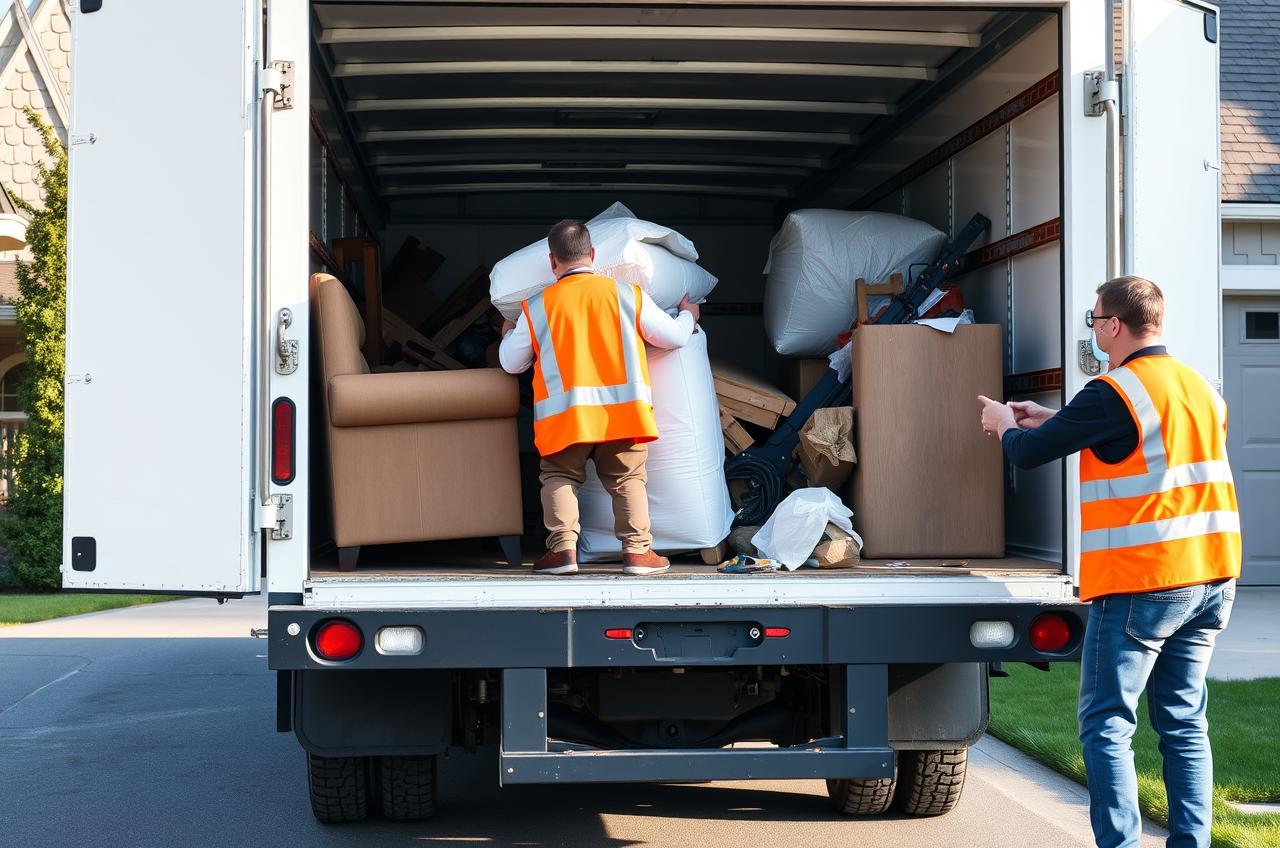
Junk removal is one of the fastest-growing trades in the country — and one of the most under-insured. A lot of junk-removal businesses start with a truck, a trailer, and the cheapest "business insurance" they could find online. That works right up until a loader throws out his back, a box truck backs into a parked car, or a load turns out to contain something it shouldn't.
Here's the coverage a junk removal business actually needs, and where the cheap policies fail.
General liability: the foundation
General liability (GL) covers third-party bodily injury and property damage from your pickup, loading, hauling, and disposal. For a junk-removal business, that means:
- Damage to a customer's home, fence, or landscaping while loading
- Slip-and-fall and injury claims on a customer's property
- Drop-off liability at the landfill, transfer station, or recycling facility
- Completed operations — claims that arise after the job is done
Most junk-removal operations carry $1M per occurrence / $2M aggregate. Commercial and municipal jobs frequently require at least $1M and additional-insured status.
The trap: a generic GL policy often excludes the dumping act itself — which is your whole business. The policy has to be written for a waste-hauling operation.
Commercial auto: the biggest exposure
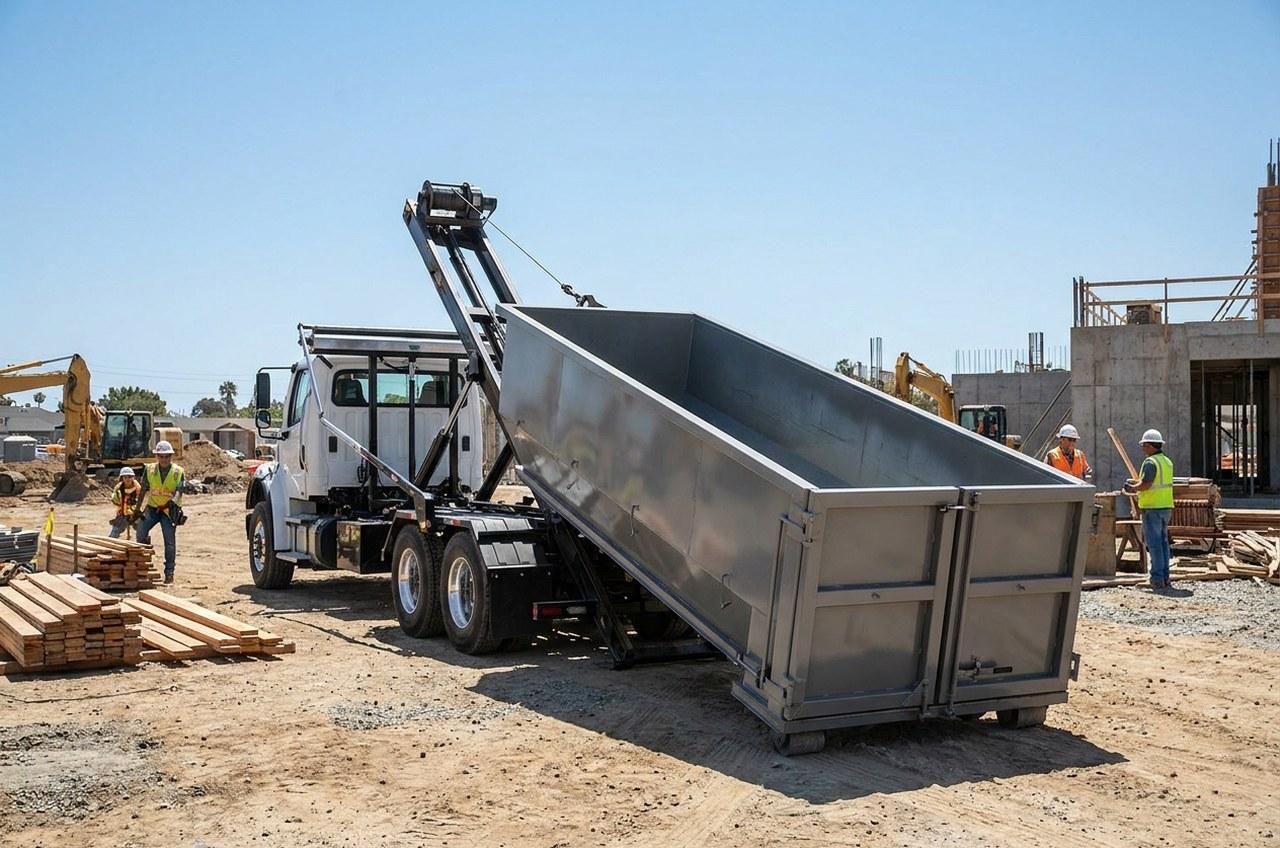
Your box truck, dump trailer, or pickup is your single largest exposure. Junk-removal auto needs:
- Auto liability — injury and damage your vehicle causes
- Physical damage — repair or replace the truck after a crash, fire, or theft
- Hired and non-owned auto — liability when employees use personal or rented vehicles for work
Auto is usually the largest insurance cost for a junk-removal business. Clean driver MVRs are the biggest controllable factor.
Workers' comp: required the moment you hire
The moment you have W-2 employees, workers' comp is almost always required by state law. Junk-removal loading is physically brutal — back strains, lacerations, and crush injuries are common. Premium is payroll × a class-code rate; loading and hauling codes run higher than office codes because of the injury frequency.
1099 vs. W-2 heads-up: junk removal is a niche where states often reclassify 1099 contractors as employees after an audit. Classify correctly and carry coverage for your actual workforce.
Pollution: the surprise gap
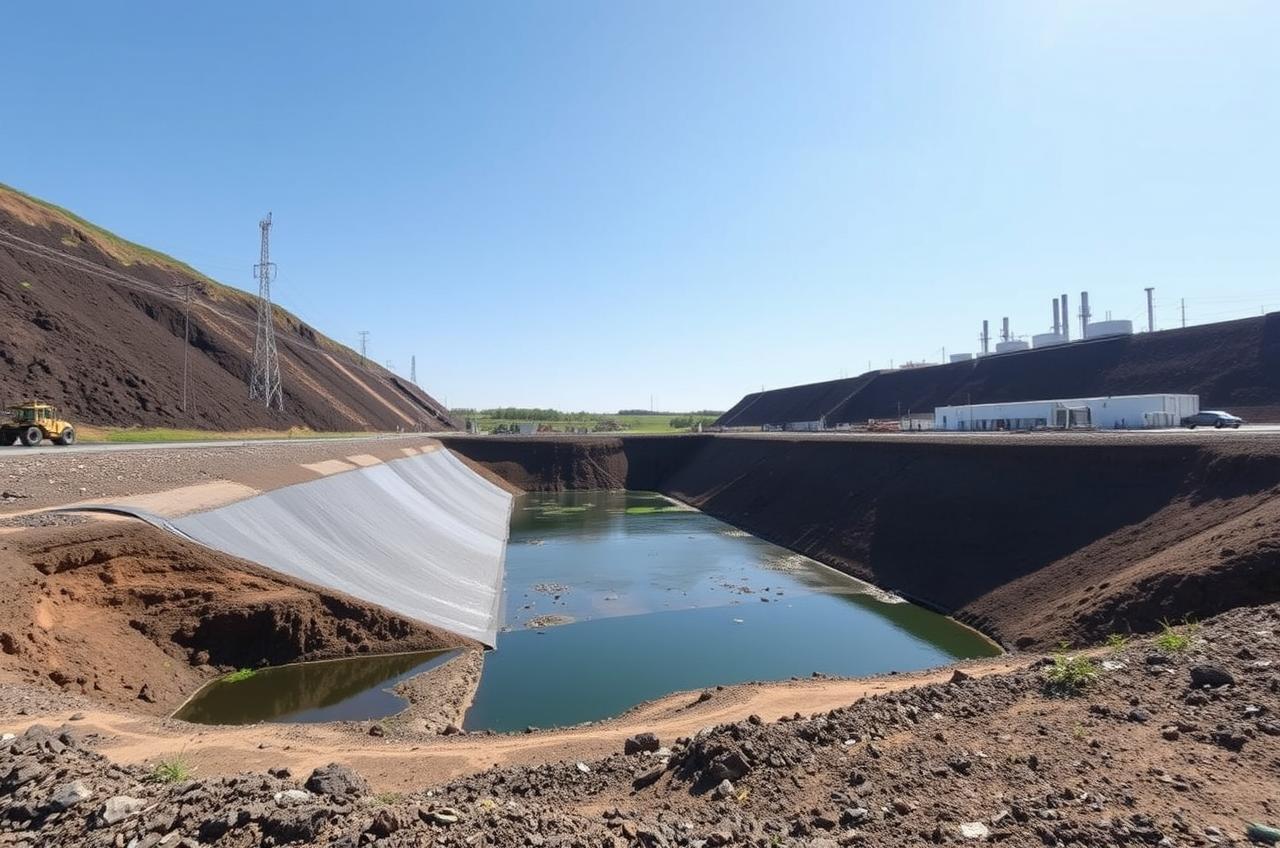
Here's the coverage most junk haulers skip and regret. When a load contains paint, solvents, old fuel, or mystery containers that leak, the pollution exclusion in your GL means the cleanup is on you. Pollution legal liability covers the cleanup, third-party claims, and defense — and many receiving facilities now require it.
Inland marine: protect the gear
Trailers, winches, and rolling equipment can be scheduled on inland marine at agreed value. If a dump trailer is stolen from a job site — a common loss — inland marine is what makes you whole.
What it costs
A small junk-removal operation typically pays $2,500–$6,000 per year for a GL-plus-auto package, with GL alone starting around $700–$1,500/year. Add workers' comp (priced on payroll) and pollution ($1,500–$2,500/year for a basic $1M policy) as you grow.
The takeaway
Junk-removal insurance is a stack, not a single policy — GL, auto, workers' comp, pollution, and inland marine, each covering a different exposure. Get all five written for a waste operation by people who know the trade, and you won't get caught by the exclusions that sink the cheap online policies.
Get a junk-removal insurance quote or call 844-967-5247.