The Complete Guide to Roll-Off Dumpster Insurance
Everything a roll-off dumpster and waste hauling operator needs to know about insurance — the coverages you actually need, what they cost, and the exclusions that sink generic policies.
If you run a roll-off dumpster business, your insurance isn't the same as a standard contractor's. Every time a cable swings, a container lands on a driveway, or a truck rolls through a residential neighborhood, you have exposures that a generic business policy was never built to cover. This guide walks through the coverages a roll-off operation actually needs — and the exclusions that quietly deny claims when you get them wrong.
The five coverages most roll-off operations need
A complete roll-off dumpster insurance program usually combines five coverages. You may not need all five on day one, but you should know what each one does.
1. General liability (container liability)
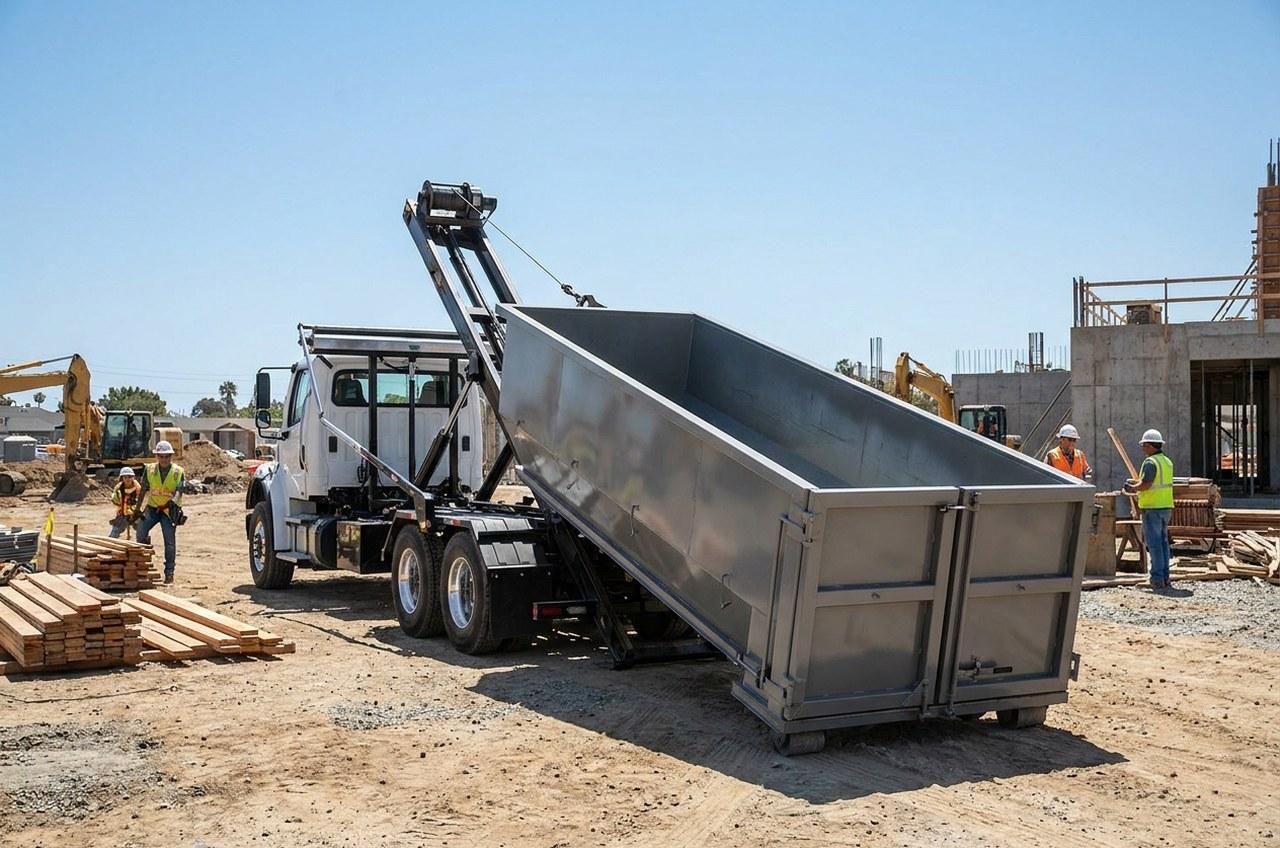
General liability covers third-party bodily injury and property damage caused by your operations. For a roll-off operator, the most common claim is dropped-container property damage — a cracked driveway, rutted lawn, or broken sprinkler line caused when a container is set down or pulled. GL also covers slip-and-fall injuries from containers placed on public rights-of-way and damage that happens while loading.
The catch: generic contractor GL frequently carries a dumping exclusion or pollution exclusion that removes the core of what you do. The policy has to be written with waste and dumping as the named operation.
2. Commercial auto
Your trucks are the business. Commercial auto covers auto liability (injury and damage your truck causes to others), physical damage (repair or replace the truck after a crash, fire, or theft), and the correct coverage form for your authority. For most roll-off operators this is a motor carrier (Business Auto) form; for-hire interstate haulers may need a Truckers form with an MCS-90 filing.
3. Pollution legal liability
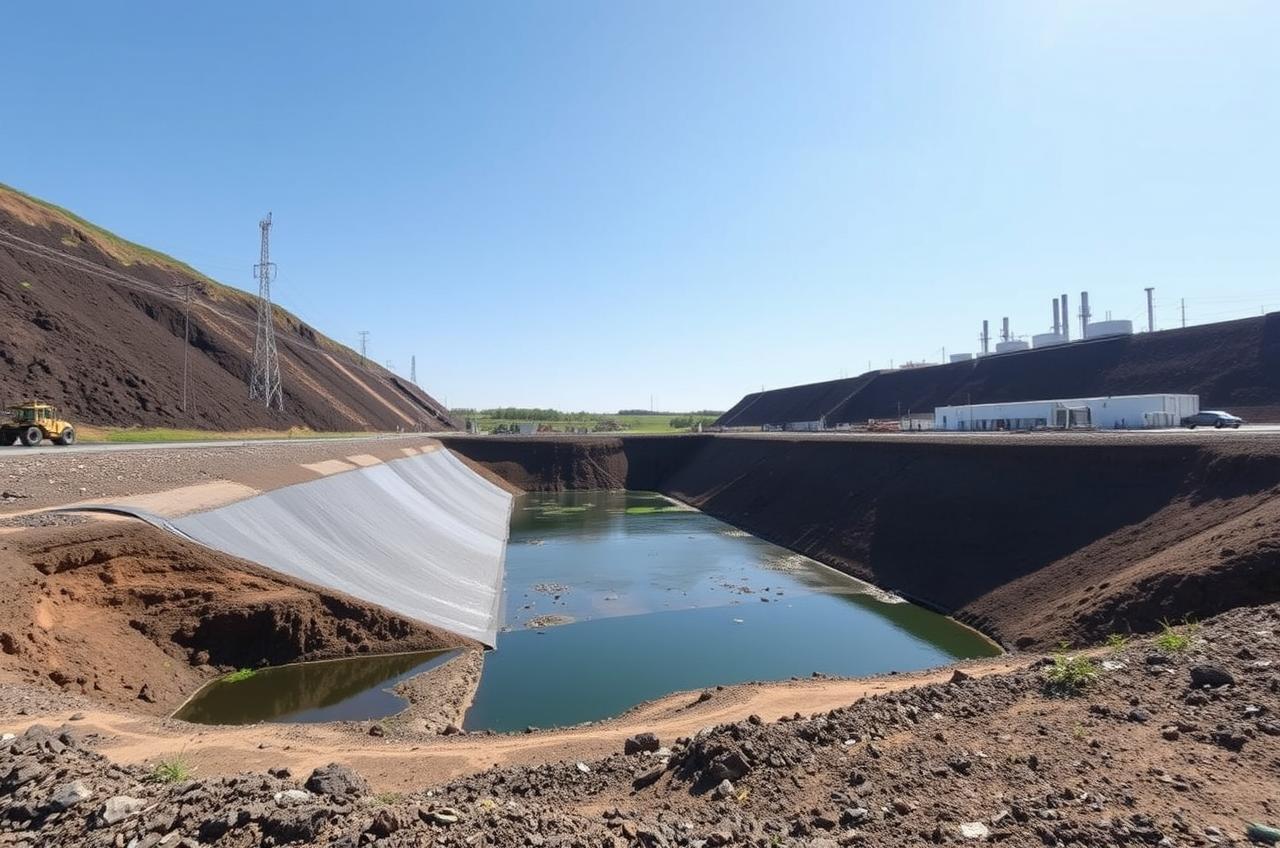
If a load leaks on the highway or contaminated runoff discharges at a job site, standard GL excludes the claim outright. Pollution legal liability covers cleanup, third-party claims, and defense. Many landfills and transfer stations require proof of it before they'll accept your loads.
4. Workers' compensation
The moment you have employees, nearly every state requires workers' comp. Drivers and loaders carry some of the highest injury rates in the trades — strains, crush injuries, and slips on wet steel.
5. Inland marine
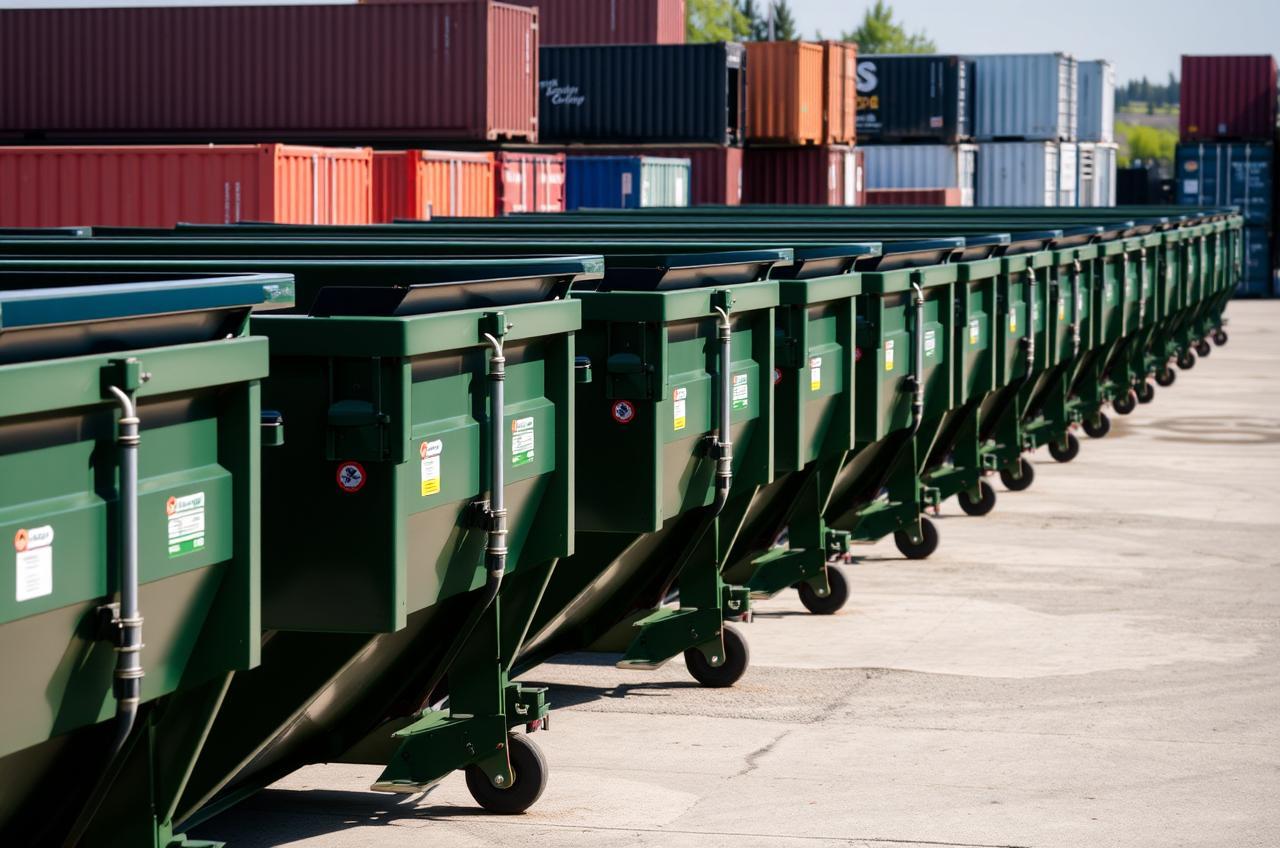
Inland marine schedules your containers, trailers, winch cables, and rolling equipment at agreed value. Without it, a yard fire that destroys a stack of containers is an uninsured loss — standard property coverage doesn't follow mobile equipment.
The exclusions that sink generic policies
Three exclusions show up in off-the-shelf business policies and silently remove waste-hauling coverage:
- Dumping exclusion — removes coverage for the act of disposing of waste.
- Pollution exclusion — removes coverage for any contaminant release.
- Completed operations gaps — coverage that doesn't follow the job after you leave the site.
The fix is simple but specific: place coverage with carriers that underwrite dumpster delivery and waste hauling as a named operation, with the exclusions addressed by endorsement or by a separate pollution policy.
How much does it cost?
A small single-truck operation typically pays $2,500–$6,000 per year for a GL-plus-auto package. Larger fleets with pollution and workers' comp commonly pay $10,000–$40,000+. The biggest cost drivers are the number and value of trucks, drivers' MVRs, payroll, and whether you haul contaminated or C&D debris that triggers pollution coverage.
Getting certificates fast
Most of your day-to-day insurance friction isn't a claim — it's a certificate of insurance. Landfills, GCs, and municipalities require COIs (and additional-insured status) before you can deliver or dump. A specialized agency turns these around same-day and sets up recurring holders so repeat jobs aren't delayed.
Bottom line
Roll-off dumpster insurance works when it's built around the real exposures of containers, trucks, and drop-off sites — not copied from a generic contractor template. If your current policy was sold to you as "business insurance" without anyone asking what you haul or where you dump, it's worth a second look.
Ready for a program that actually fits? Request a quote or call 844-967-5247 — we'll come back within one business day.