Commercial Auto for Waste Trucks
The truck is the business. Insure it like it is.
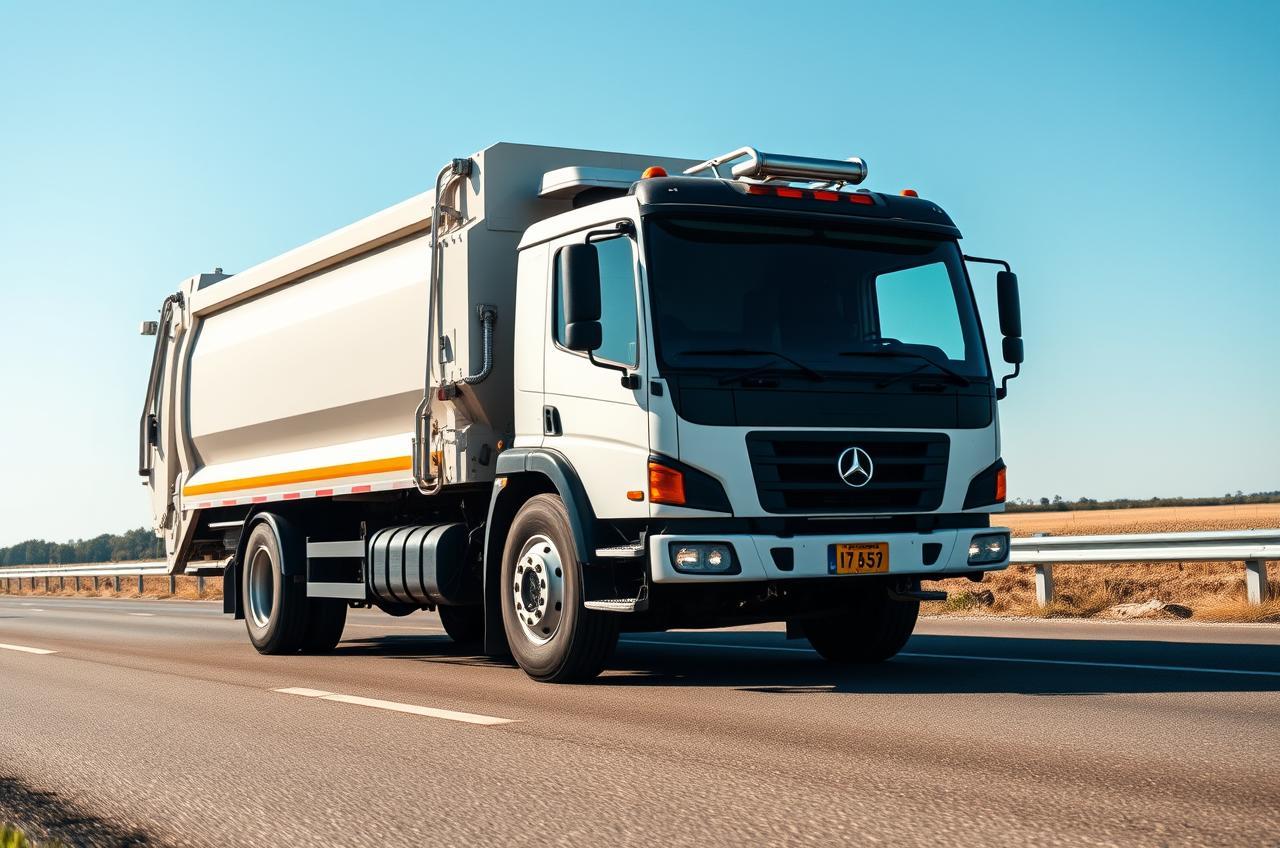
Commercial auto for waste trucks covers the vehicles that are the heart of your operation — roll-off trucks, front-loaders, rear-loaders, route trucks, and the support pickups that follow them. For a waste hauler, the truck isn't a tool; it's the business, and its loss — to an accident, a fire, or a theft — can stop revenue overnight.
What It Covers
Coverage That Fits How You Actually Operate
Commercial auto for waste trucks covers the vehicles that are the heart of your operation — roll-off trucks, front-loaders, rear-loaders, route trucks, and the support pickups that follow them. For a waste hauler, the truck isn't a tool; it's the business, and its loss — to an accident, a fire, or a theft — can stop revenue overnight.
We structure auto liability, physical damage, and the correct coverage form (motor carrier vs. truckers vs. business auto) based on your DOT authority and how you operate. Getting the form right is the difference between a paid claim and a denied one after an accident.
Auto liability
Bodily injury and property damage your truck causes to others — the core of any commercial auto policy.
Physical damage (collision & comprehensive)
Repair or replace your roll-off or route truck after a crash, fire, theft, or vandalism.
Motor carrier coverage (CA 00 12)
The correct form for operators hauling under their own authority — with the filings to match.
Truckers coverage (MCS-90)
Federal financial-responsibility filing for for-hire interstate trucking, when required.
Hired and non-owned auto
Liability when employees use rented or personal vehicles for business.
Uninsured/underinsured motorist
Protection when your truck is hit by an uninsured or underinsured driver.
Motor carrier vs. truckers coverage — and why it matters
The coverage form on your policy is determined by your DOT authority, whether you haul for-hire or private, and whether you cross state lines. Haul your own containers under your own authority and a Business Auto / motor carrier form is usually right. Haul for others interstate and an MCS-90 filing and Truckers form may be required by federal law. Place the wrong form and the carrier can deny liability after a serious accident — a mistake that ends waste-hauling businesses.
How commercial auto for waste trucks is priced
Auto is typically the largest insurance cost for a hauler. Rating factors include the number and value of trucks, the operating radius, drivers' motor vehicle records (MVRs), cargo type, and annual miles. A single roll-off truck commonly runs $2,500–$6,000 per year for liability plus physical damage; fleets scale linearly with clean MVRs keeping cost down. We shop multiple carriers to pair the right form with a competitive rate.
Common Endorsements & Add-Ons
- MCS-90 endorsement. Federal financial-responsibility filing for for-hire interstate motor carriers.
- Truckers coverage form. The correct policy form when you haul for-hire under motor carrier authority.
- Trailer interchange. Covers non-owned trailers you pull under an interchange agreement.
- On-hook / towing. For haulers that also recover or tow equipment and containers.
Commercial Auto FAQ
Commercial Auto — Your Questions
Motor carrier coverage (Business Auto form CA 00 12) suits operators hauling their own property under their own authority. The Truckers Coverage Form — often with an MCS-90 federal filing — is required for for-hire interstate hauling under DOT authority. We place the form that matches your authority and operations so liability is covered after an accident.
A single waste or roll-off truck commonly costs $2,500–$6,000 per year for auto liability plus physical damage. Multi-truck fleets scale with the count and value of trucks, the radius, drivers' MVRs, and cargo. Auto is usually a hauler's largest insurance line, so shopping carriers matters.
You need an MCS-90 federal financial-responsibility filing if you operate as a for-hire motor carrier in interstate commerce, subject to federal minimums. Private carriers hauling their own goods generally don't. We review your DOT and FMCSA authority to determine whether the filing — and the Truckers form — is required.
Ready to Bind Commercial Auto for Waste Trucks?
Get a specialized quote for your waste operation. We shop A-rated carriers and structure the right limits — usually within one business day.